Faculty of Medicine · Imperial College London
Anand Lab
How lipids and metabolism tune innate immune signalling — from NLRP3 inflammasome assembly to cholesterol trafficking in macrophages.
Principal Investigator Dr Paras Anand
About the lab
Lipids at the heart of innate immunity
Macrophages sense infection and tissue damage, then mount inflammation that must be both fast and tightly controlled. We study how membrane lipids, cholesterol transport and cellular metabolism set that balance, working in mouse macrophages with cell biology, lipidomics and imaging.
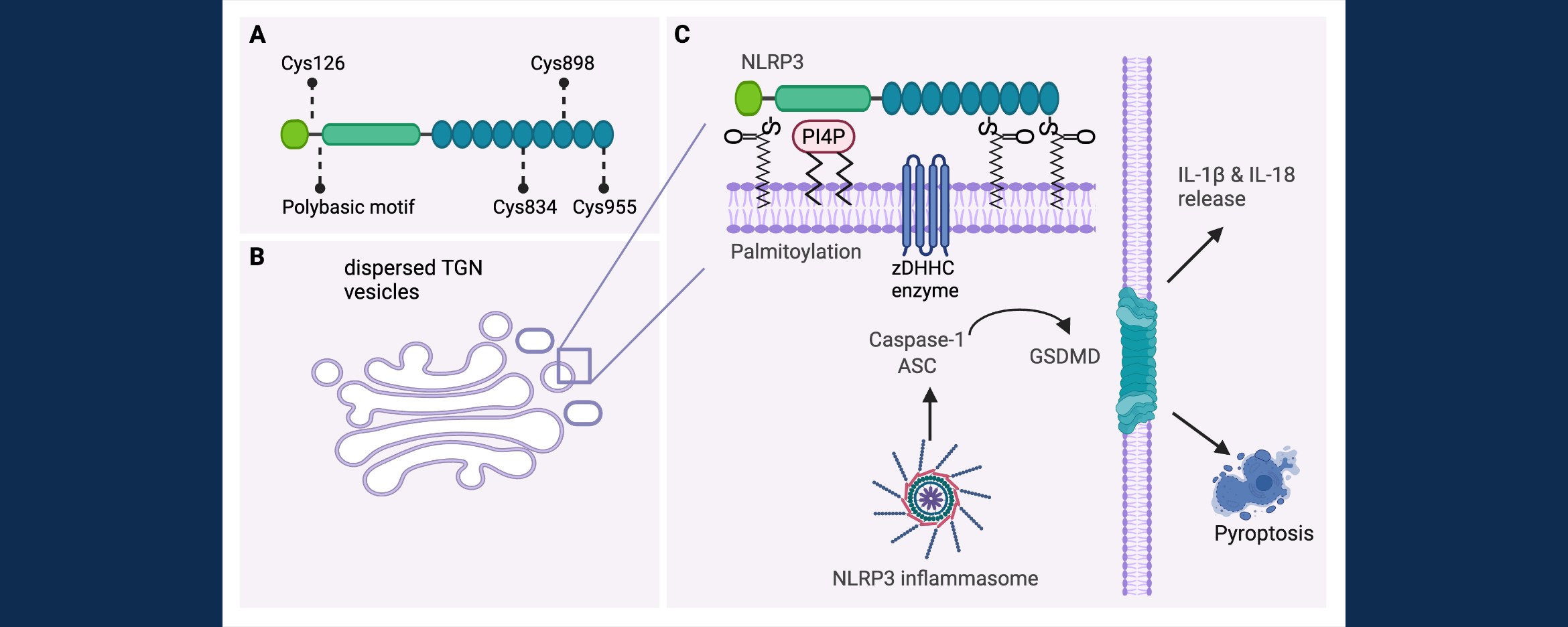
Read about our research- 01Inflammasome biologyHow is NLRP3 licensed, assembled and switched off? We dissect the molecular signals that drive NLRP3 oligomerisation, ASC speck formation and caspase-1 activation, and the pyroptotic cell death and IL-1β/IL-18 release that follow.
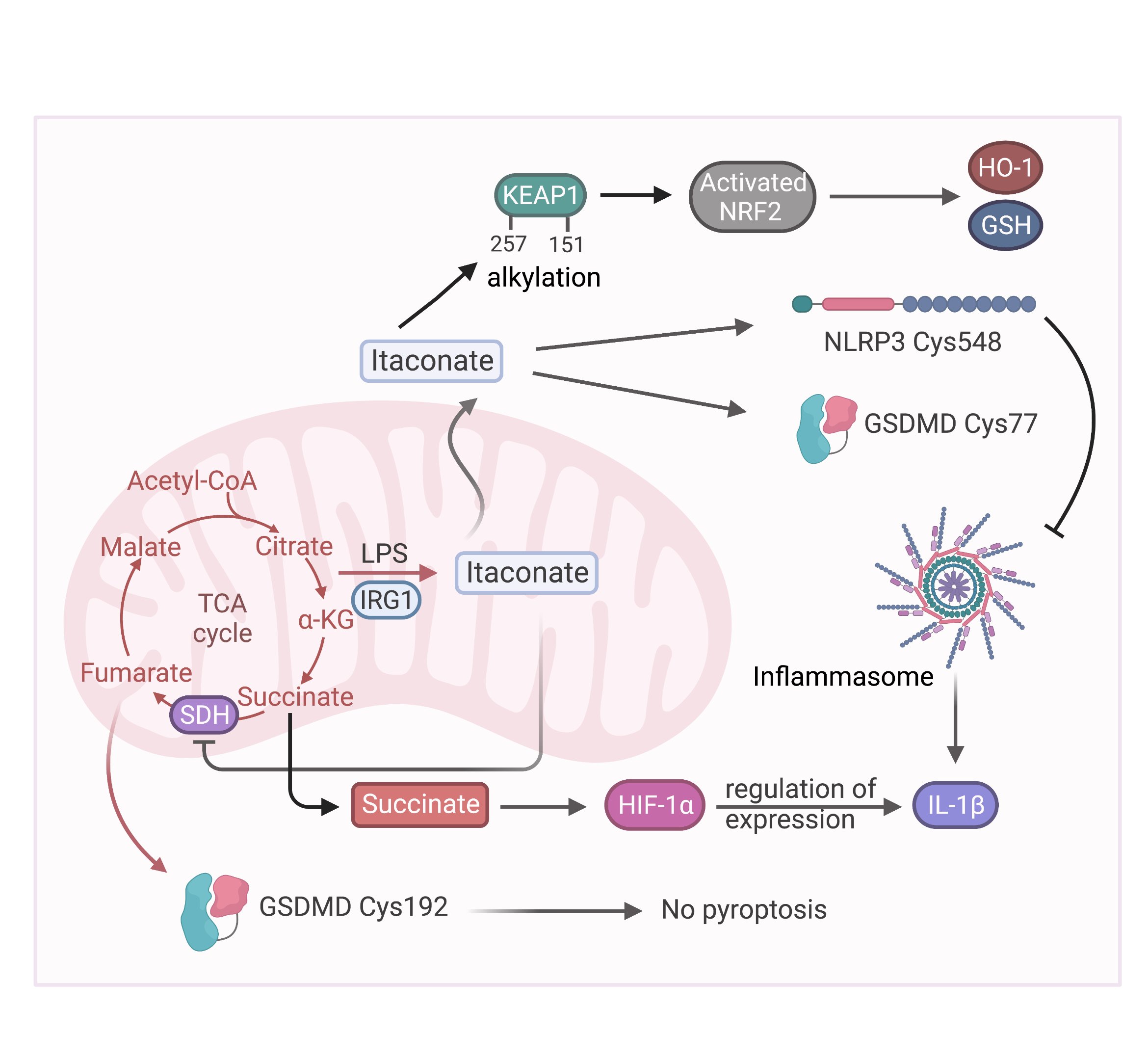
- 02Lipid metabolism and immune regulationLipid pathways, including cholesterol and fatty acid biosynthesis, are central to immune cell function. We study how these lipid and cholesterol pathways control immune signalling, protein localisation, and inflammation. (Anand, 2020; Leishman et al., 2024)
- 03Integrative omics and therapeutic discoveryWe use lipidomics, transcriptomics, and other multiomics approaches to identify molecular pathways that drive inflammation and metabolic dysfunction. This systems-level strategy supports the identification of novel targets and biomarkers for therapeutic intervention relevant to inflammasomes, lipid metabolism, and inflammation.
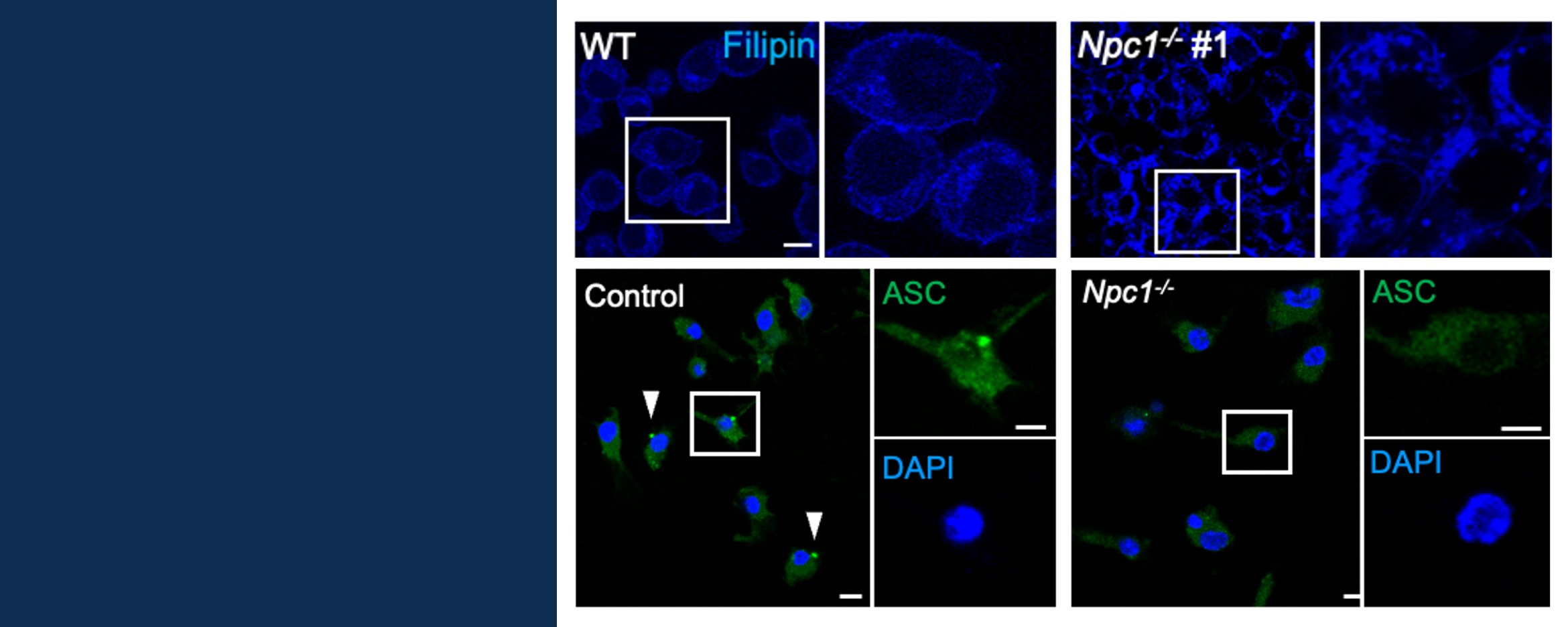
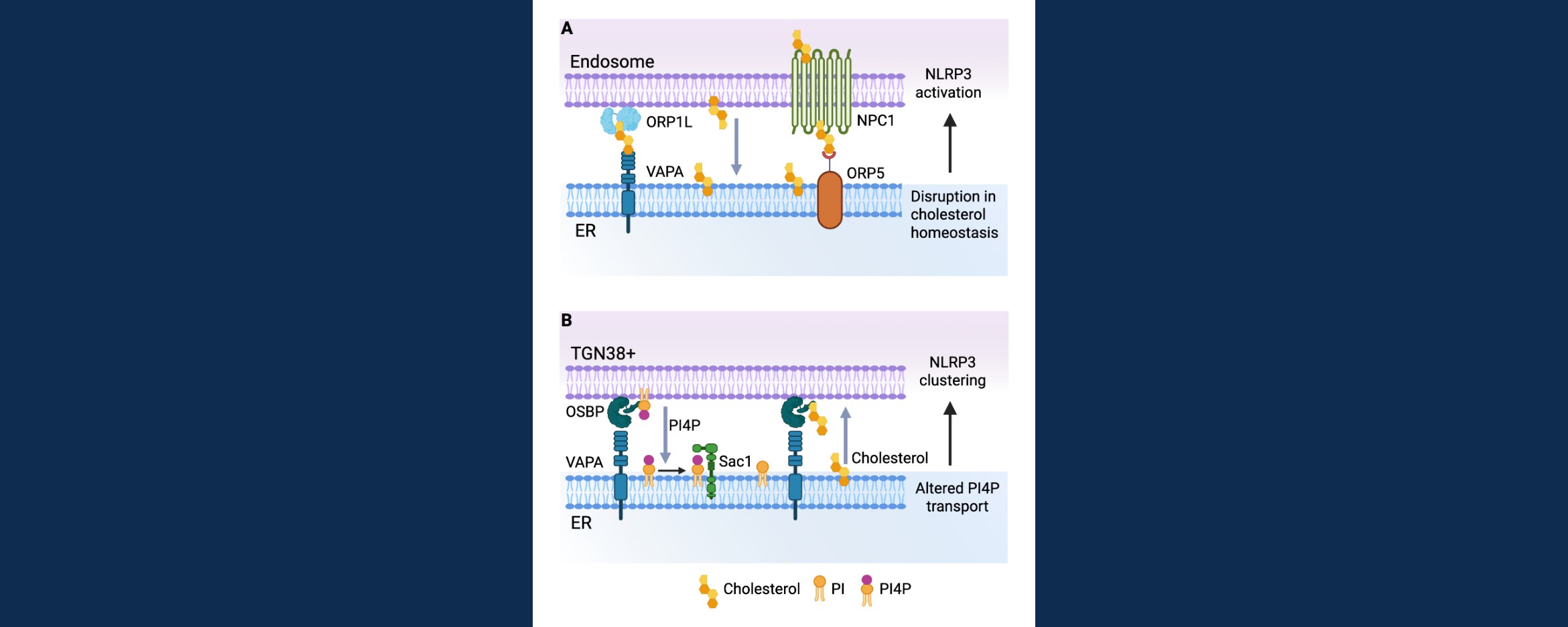
- 04Cholesterol trafficking and lysosomal storage disordersDisruptions in cholesterol transport and lysosomal function can profoundly affect immune responses. We study how these defects – frequently seen in lysosomal storage diseases – alter metabolism and drive inflammatory pathology. (de la Roche et al., 2018)
Publications
Selected publications
News
Latest from the lab
-
[DD Month YYYY]
[Headline — e.g. new paper published]
[One or two sentences, with a link to the paper or preprint.]
-
[DD Month YYYY]
[Headline — e.g. lab member awarded a prize]
[One or two sentences of detail.]
-
[DD Month YYYY]
[Headline — e.g. welcome to a new PhD student]
[One or two sentences of detail.]
Interested in joining the lab?
We welcome enquiries from prospective PhD and MSc students and postdoctoral researchers.